
Are you looking for a way to give your car’s performance engine a boost? Then EGR removal might be the answer. In this article, we look at what EGR or exhaust gas recirculation is, the benefits of making it redundant, and how you can make sure your vehicle gets its ultimate power upgrade. Learn more about EGR removal and discover how to unlock your car’s true potential!
What is an EGR System?
An EGR system is a pollution control device that helps to reduce emissions of oxides of nitrogen from an internal combustion engine. The system works by recirculating a portion of the exhaust gas back into the engine cylinders, where it mixes with the fresh intake of air and causes the formation of NOx.
NOx emissions are a major contributor to smog and air pollution, so reducing them is important for both public health and environmental protection. EGR systems were first introduced in the 1970s to meet increasingly strict emission standards.
Today, many modern engines are designed to function without an EGR system, which can improve performance and fuel economy while also reducing maintenance costs. However, some vehicles are still equipped with an EGR system, so it is important to know how it works and what its benefits and drawbacks are.
Benefits of Removing the EGR System
As electronic components increasingly become commonplace in vehicles, it was only a matter of time before the engine management system (EMS) began to control more functions than just ignition timing and air/fuel mixture. Nowadays, EMS systems are responsible for managing fuel injection, transmission shifting, valve timing, and more.
Among the many things that an EMS system can do is to control the opening and closing of the exhaust gas recirculation (EGR) valve. The EGR system is used to reduce emissions of oxides of nitrogen (NOx). NOx emissions are created when nitrogen molecules in the air combine with oxygen molecules at elevated temperatures, such as those found in an engine combustion chamber.
The EGR system works by recirculating a portion of the exhaust gases back into the combustion chamber where they mix with incoming fresh air. This reduces the overall temperature of the combustion chamber and limits the formation of NOx emissions.
While the EGR system is effective at reducing emissions, it comes at a cost. The EGR system can deprive an engine of power and efficiency as exhaust gases are being redirected back into the engine rather than being expelled through the tailpipe. In addition, the EGR system can add unnecessary wear and tear to an engine as sooty residues from burnt fuel can accumulate on intake valves and pistons.
Fortunately, there are now ways to disable or remove the EGR system without triggering a check engine light or affecting emission levels. Doing so
Steps For EGR Removal
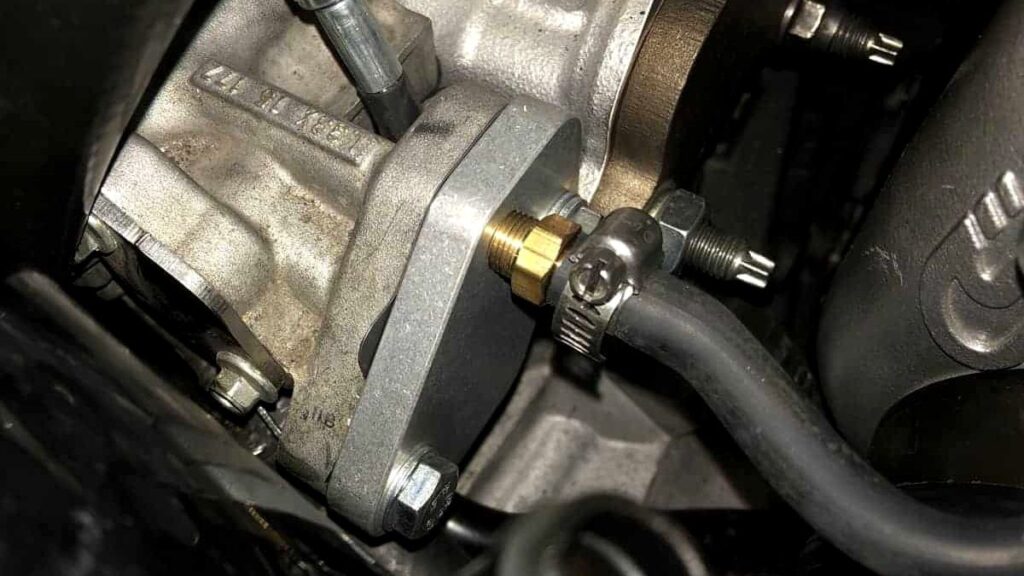
Before starting the job, make sure that you have all the necessary tools and equipment. You will need a socket set, a spanner/wrench set, and a screwdriver set.
It is 100% legal to remove the EGR system from your vehicle and the EGR system is not a part of the MOT test. This may be tightened up in the future but for now EGR removal is safe and legal.
- To begin, disconnect the negative battery cable.
- Then, remove the EGR valve cover bolts using a socket or spanner.
- Carefully remove the EGR valve cover, being careful not to damage any gaskets or O-rings.
- Using a screwdriver, remove the EGR valve retaining clip.
- Gently pull out the EGR valve from its housing. Be careful not to damage any of the surrounding components.
Clean off any carbon build-up from the EGR valve and mating surfaces using a wire brush or similar tool.
It should also be noted and taken under advisement, that while we may provide information here in the article on the steps for EGR Removal. This information is provided as is and any actions you take to remove/delete the EGR yourself are done so at your own risk and without any liability to us.
If you are looking for EGR Removal/EGR Deletion, then ensure you use a trained EGR Removal/EGR Deletion technician to carry out the works.
Common Problems with EGR Systems
Exhaust gas recirculation (EGR) systems are common in many modern vehicles. The purpose of an EGR system is to recirculate a portion of the exhaust gases back into the engine cylinders. This helps to reduce emissions and improve fuel economy. However, EGR systems can cause several problems, including:
1. Decreased Engine Power: The recirculated exhaust gases can cause a loss of power, as they take up space in the cylinders that would otherwise be filled with fresh air.
2. Increased Fuel Consumption: The engine will have to work harder to overcome the increased back pressure from the recirculated exhaust gases, which can lead to higher fuel consumption.
3. Engine deposits: The recirculated exhaust gases can contain harmful deposits that can build up on engine components, leading to decreased performance and eventual failure.
4. Emissions problems: If the EGR system is not functioning properly, it can increase emissions rather than reduce them.
Recommended Tuning After Removal
If you have removed your vehicle’s EGR system, it is important to take the proper steps to ensure that your engine is finely tuned. This will help protect your engine from damage and keep it running efficiently. Our ECU Remapping service will ensure that your engine has been finely tuned for the best performance and fuel efficiency.
Here are a few things to keep in mind when tuning your engine after an EGR removal:
1. Keep an eye on your air/fuel mixture. Without an EGR system, your engine may run leaner than normal. This can lead to engine damage if not corrected.
2. Pay attention to your engine temperature. Without an EGR system, your engine may run hotter than normal. This can also lead to engine damage if not corrected.
3. Check your exhaust gases regularly. Without an EGR system, harmful pollutants can build up in your exhaust gases. This can be dangerous for both you and the environment if not corrected.
4. Have your vehicle’s emissions tested regularly. Without an EGR system, your vehicle may not meet emissions standards. This can result in fines or other penalties if not corrected
Common Questions About EGR Removal
EGR removal is a popular modification among car enthusiasts. It can increase your engine’s power and improve its overall performance. However, there are a few things you should know before you decide to remove your EGR system.
1. What is an EGR system?
EGR stands for exhaust gas recirculation. It is a system that helps reduce emissions from your engine by recirculating a portion of the exhaust gas back into the intake manifold.
2. Why would I want to remove my EGR system?
There are a few reasons why you might want to remove your EGR system. You are looking for a way to increase your engine’s power or improve its overall performance. Or you are having issues with your EGR system and want to get rid of it altogether.
3. What are the risks of removing my EGR system?
There are a few risks associated with removing your EGR system. One is that it can potentially lead to increased emissions from your engine. Additionally, removing your EGR system can void your vehicle’s warranty. Finally, it is important to make sure that all of the parts in your EGR system are properly sealed before removal, as this can prevent dangerous exhaust gases from entering your vehicle’s cabin.
EGR removal can give you the chance to unlock your vehicle’s full potential and enjoy the power of increased performance. With the right team, you can get your EGR removed safely while optimising fuel efficiency and engine longevity. We hope this article has provided some insight into what EGR removal is, why it should be performed on vehicles and how to go about getting yours done. Do not hesitate any longer – contact our experienced specialists today for more information on unlocking your car’s full potential with EGR removal!
In conclusion, EGR removal is an effective way to improve the performance of your vehicle. It can help increase power and torque output, reduce turbo lag, and overall make for a smoother driving experience. The process does come with some risk, however – particularly if you are not highly familiar with car mechanics or do not have access to specialist equipment – so proceed with caution. When done correctly though it can provide you with significant improvements that unlock your vehicle’s true potential.
Our mobile team is available to come to your location and complete an EGR deletion for you.
Do you have a car with EGR valve issues? Are you dealing with some of the symptoms listed above? If so, Xclusv is here to help. Get in touch for our expert EGR solutions.